Recykal Marketplace - Seller App
Designing a scalable seller experience for a fragmented recycling ecosystem
Sellers were managing transactions across WhatsApp, Excel, and calls — leading to confusion, delays, and zero visibility. I redesigned the experience to create a structured, transparent, and self-serve system.
Role
End-to-End Product Designer
UX + UI
Team
5 Members
UX Lead · PM · 4 Devs · Analyst
Timeline
Multiphase Rollout - 2025
Full Product Cycle
Platform
Mobile App
Seller Application


Impact
Measurable Results
Numbers that reflect real change in the seller workflow and ecosystem efficiency.
500+
Active Sellers Onboarded
60%
Faster Verification
30%
Fewer Compliance Errors
40%
Better Communication
Project Context
The recycling marketplace ecosystem
Visual Representation of Recykal-Marketplace
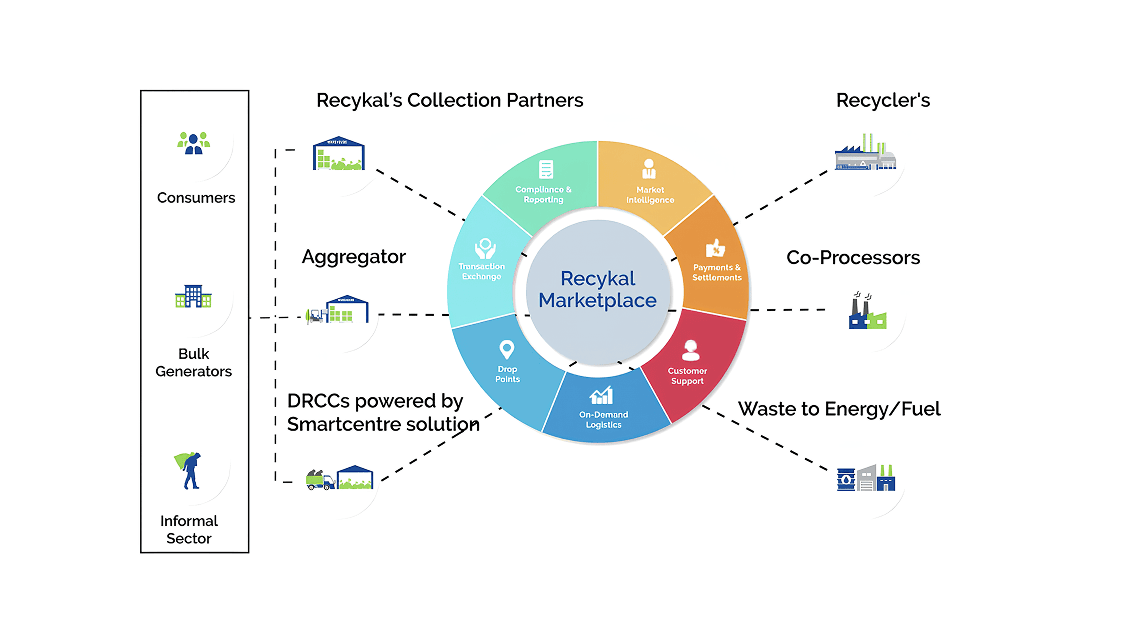
Recykal is a digital marketplace connecting recyclers, businesses, and waste management companies to facilitate recyclable material transactions.

While the platform enabled transactions at scale, the seller-side experience remained highly fragmented. Sellers depended on multiple disconnected tools and manual coordination.
The Problem
Fragmented Workflows & Lack of Visibility
Seller Challenges
User-facing pain points
Managed operations via WhatsApp, Excel, and calls
No visibility into payments or shipments
Confusing listing and documentation process
Dependent on manual follow-ups
Internal Team Challenges
Operational bottlenecks
Manual verification of sellers and listings
No structured workflows
Poor system integration
High coordination overhead
Research & Discovery
Understanding Real Workflows
12+
Interviews
User Interviews
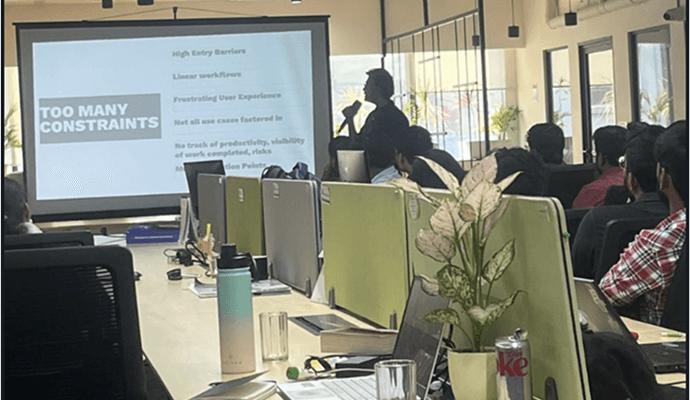
Spoke with recyclers and internal stakeholders to understand real workflows, pain points, and behavioral patterns
5
Key Flows
Workflow Mapping
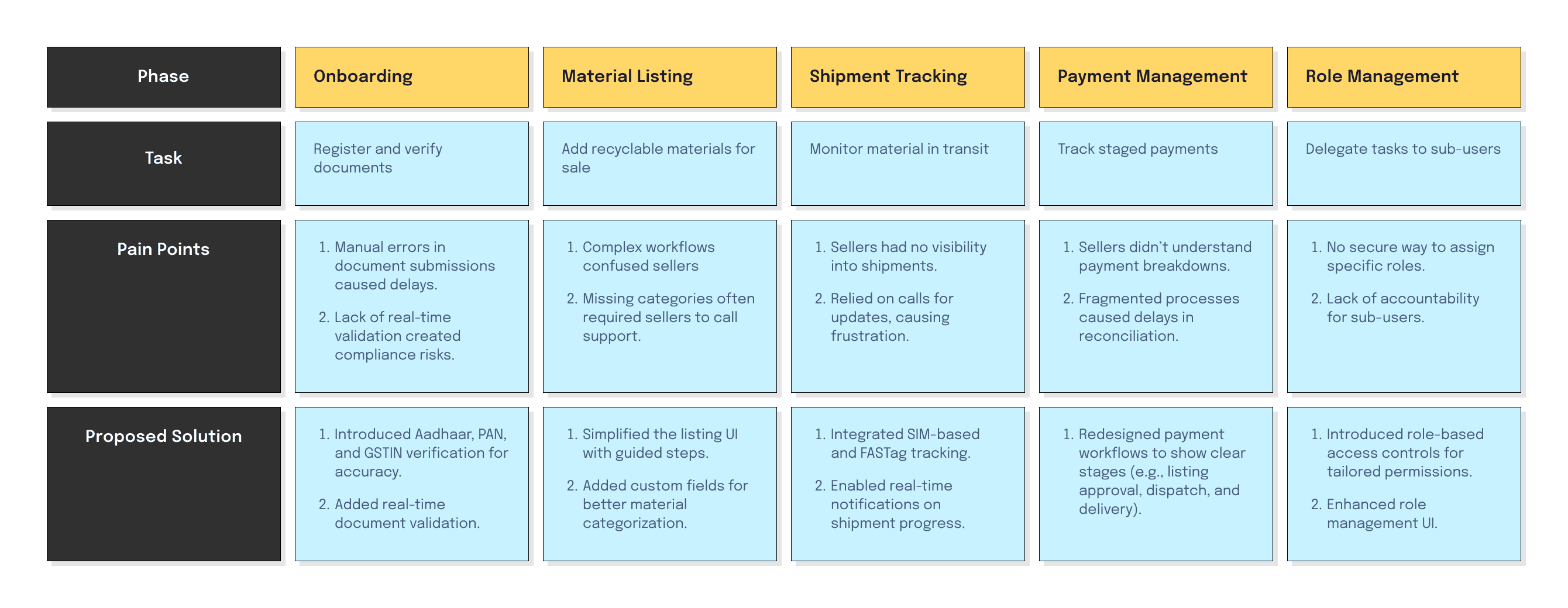
Mapped end-to-end seller journeys from onboarding to payment completion
3
Teams
Stakeholder Collaboration
Worked closely with product managers and operations teams to identify system gaps and constraints


Ideation & Exploration
How I approached Problem Solving?
Solution Method
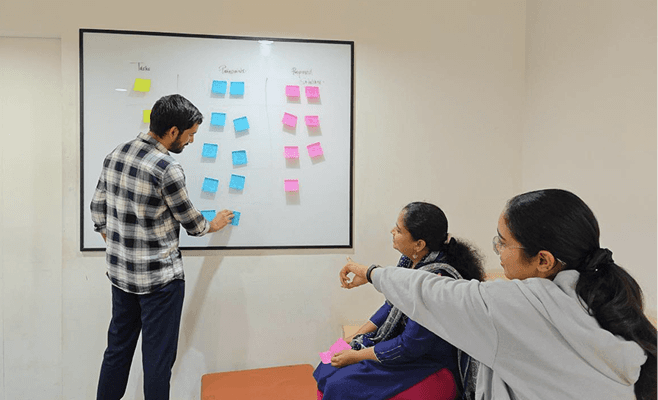
Workshops & Collaboration
Conducted virtual interviews with sellers to understand their daily challenges and workflow frustrations with the current app.
Impact :
Ensured a wide perspective on solutions and team alignment on key priorities
Storyboard Creation
Mapped user workflows to identify gaps in the seller app
Impact :
Highlighted friction points, enabling workflow redesign for clarity and ease of use
Impact vs. Effort Analysis
Prioritized features based on business impact and feasibility
Impact :
High-impact, low-effort solutions like a rating system and staged payments were prioritized
Journey Map
Solution Direction ( Phased Rollout )
Phase 01
Establishing Structure
Focused on creating structured listings, defining data standards, and improving input clarity for sellers.
Data Standards
Structured Inputs
Validation
Clarity
Phase 02
Enabling Transparency
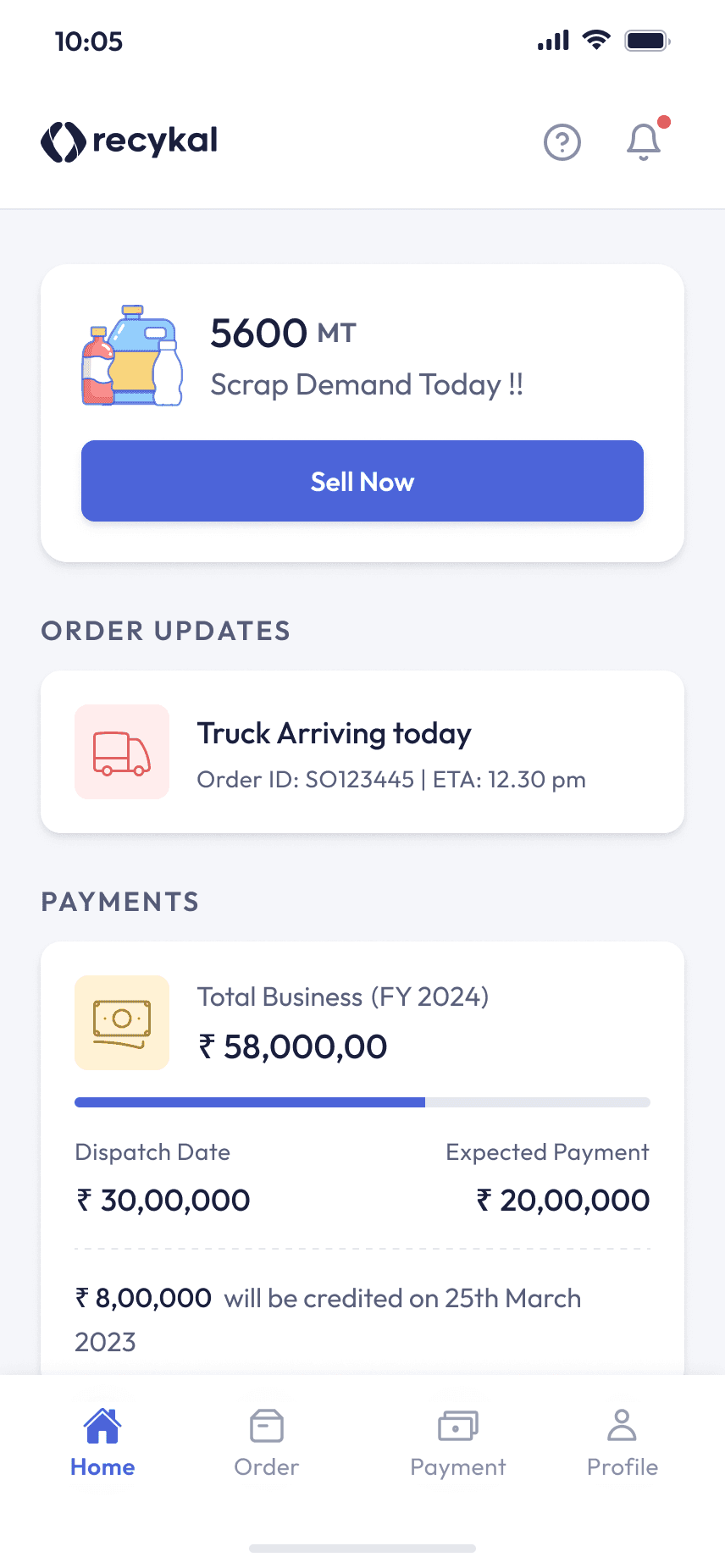
Introduced dashboards for payments, shipment tracking, and role-based workflows to build trust.
Dashboards
Payments
Tracking
Role Access
Design & Prototypes
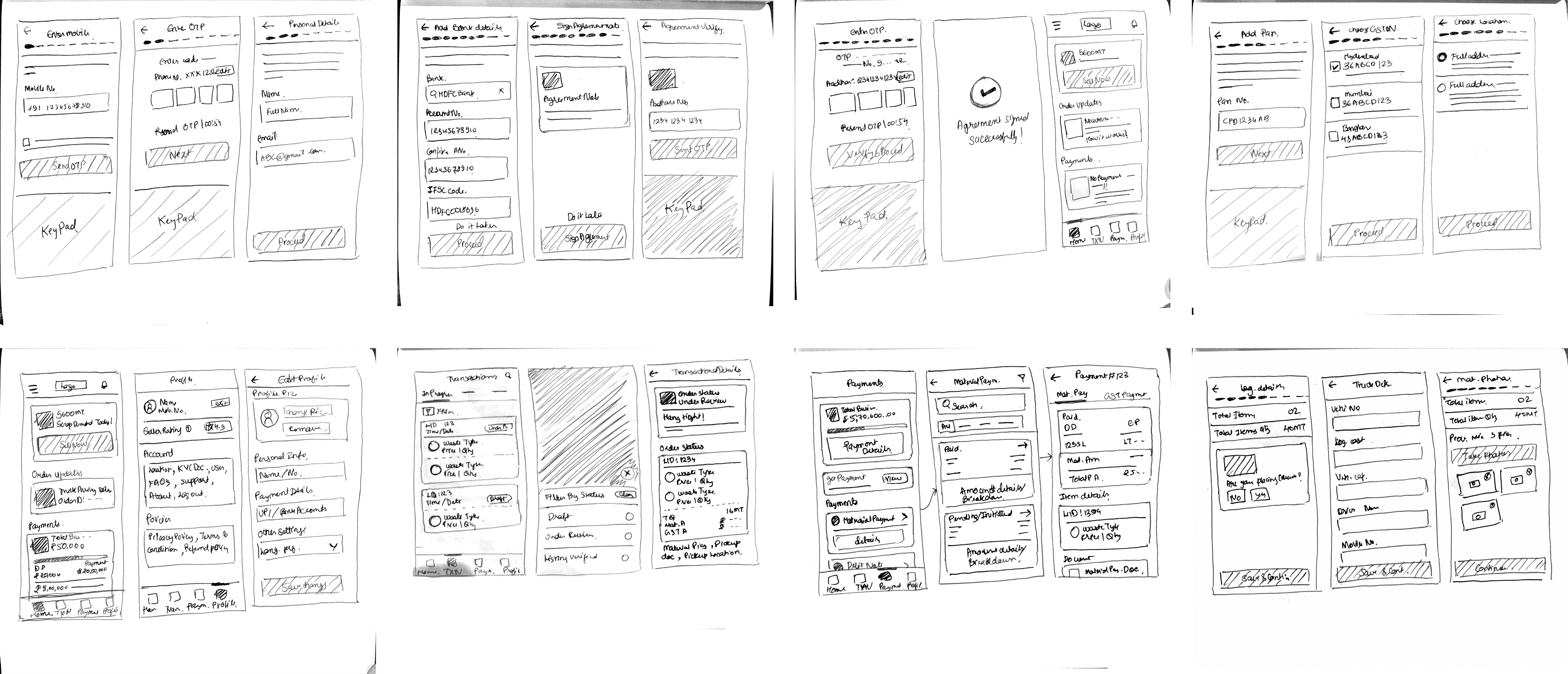
Wireframes
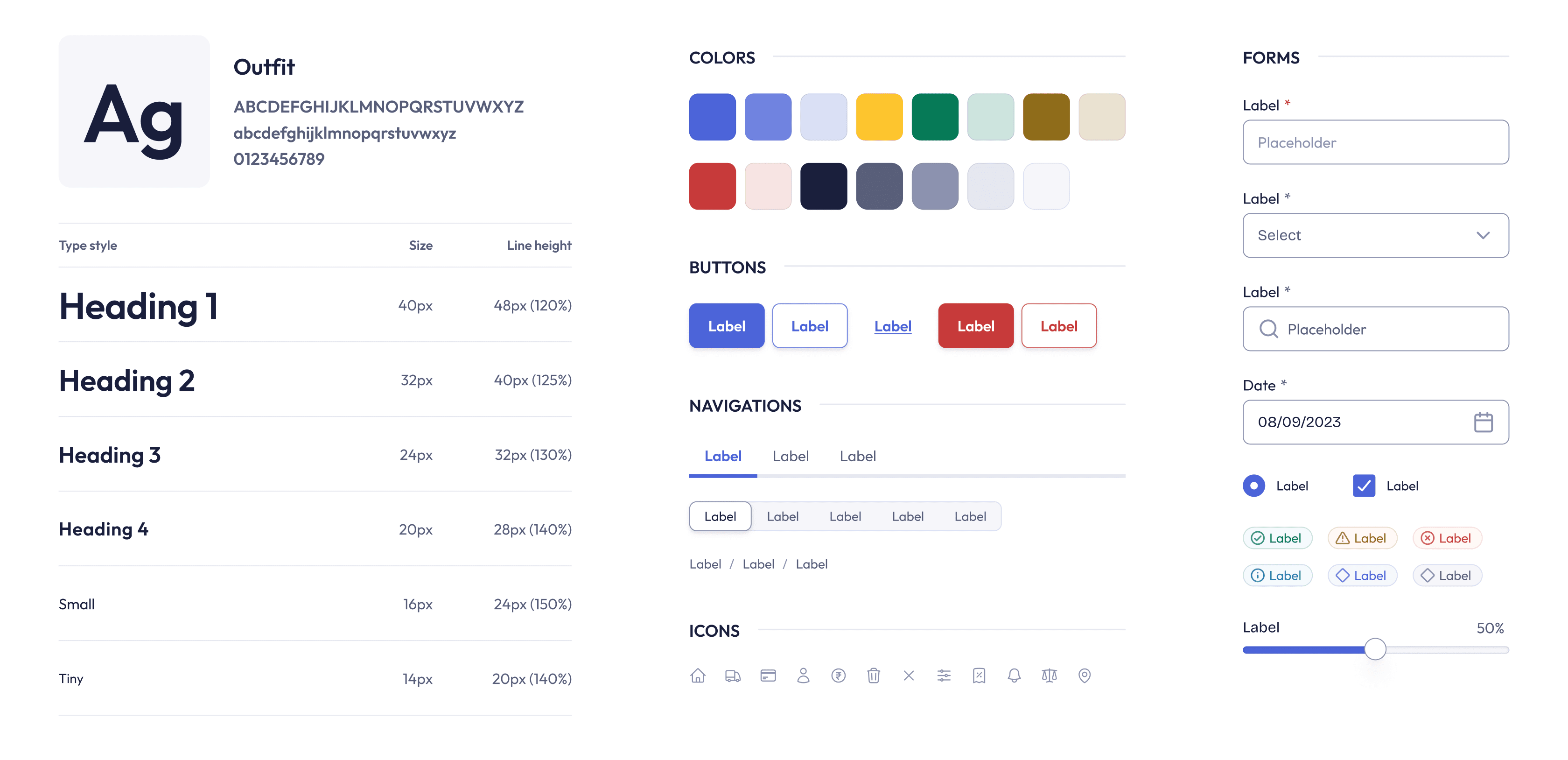
Design System

Design Breakdown
The thinking behind the design
Listing Flow
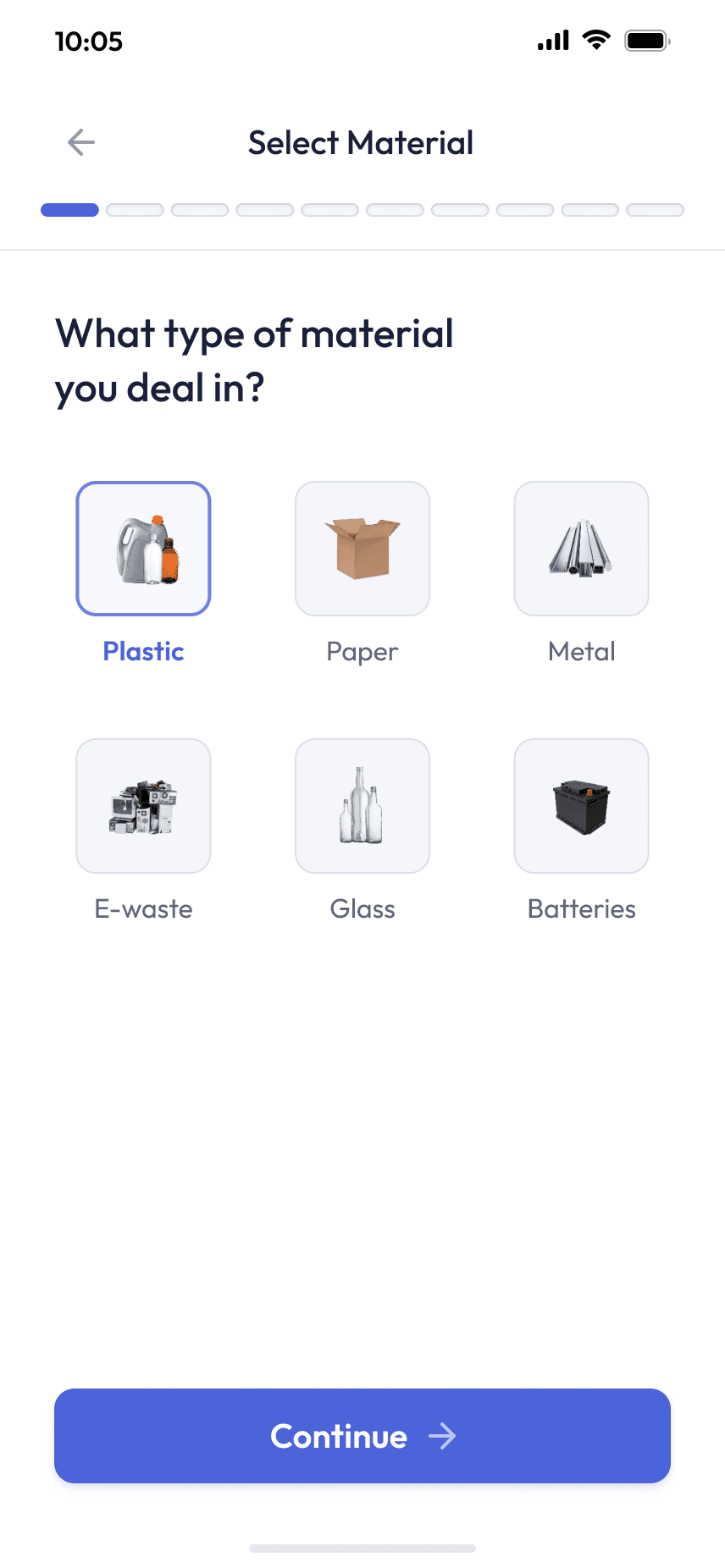
Step-by-step input improves clarity and reduces errors in data entry. Users are guided through categories, quality specs, and pricing.
Locked!
Happy to walk you through them during discussion.
Payment Dashboard
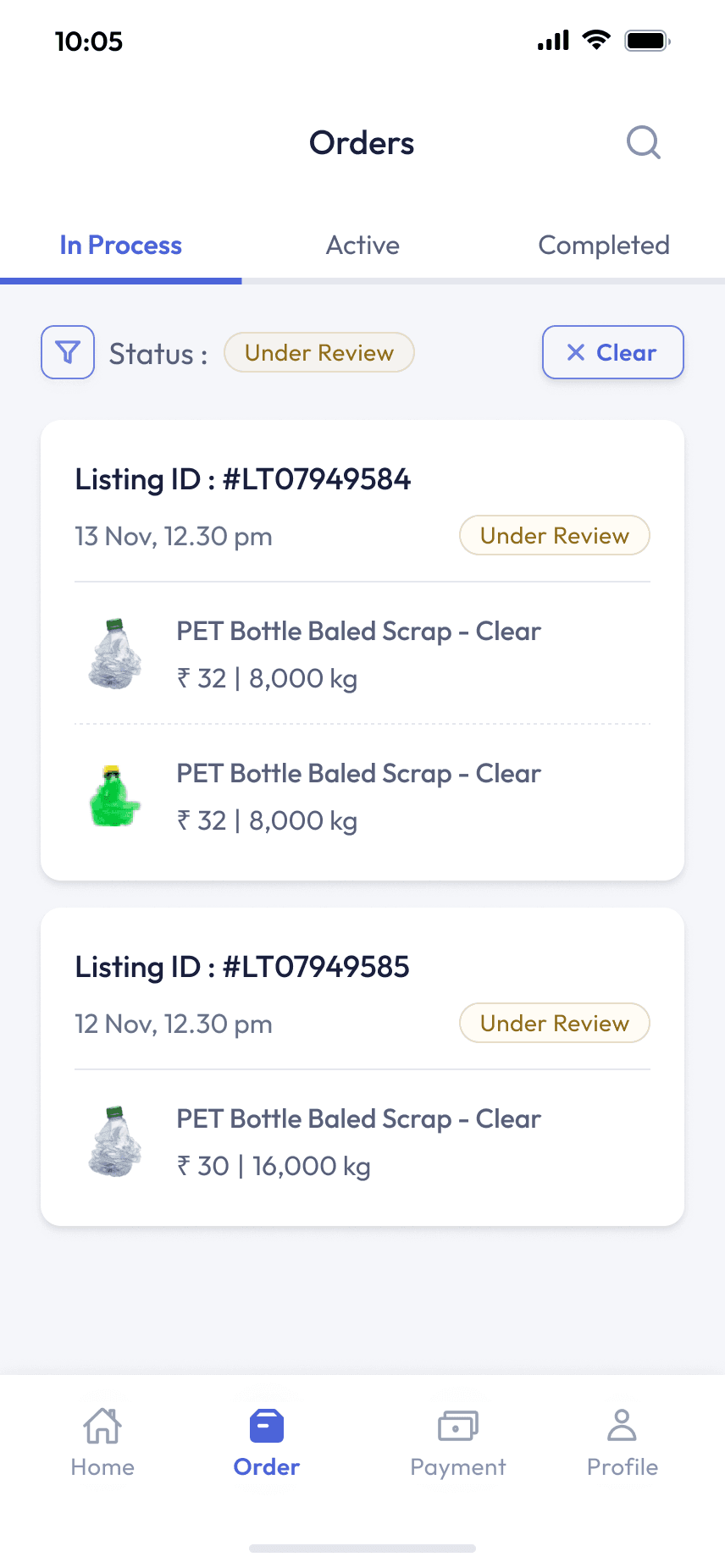
Status-based tracking reduces confusion and eliminates manual follow-ups. Clear states: Pending, Processing, Completed.
Locked!
Happy to walk you through them during discussion.
Shipment Tracking
Real-time visibility builds trust and reduces support queries. Sellers see pickup, transit, and delivery status.
Locked!
Happy to walk you through them during discussion.
Testing & Validation
Validated with real sellers
Methods Used
Task-based usability testing
Think-aloud sessions
Post-task interviews
Results
85%
success rate
70%
fewer errors
4.5/5
satisfaction